Thursday, 16 May 2013

For the love of Amaranth, and a rocking DIY Chocolate Buckwheat & Amaranth Bonanza!

Carrying on in my converting to a wholefood pantry, I wanted to highlight Amaranth today. Amaranth is my new love. World health workers discovered amaranth when they noticed that areas of Africa and Latin America where it was highly consumed had no malnutrition. It is high in nutrients - in particular protein and calcium. In fact it has more calcium and cofactors for calcium's absorption (magnesium and silicon) than milk, BAM! It's also high in iron and is the only grain reported to have Vitamin C - cool!
It is gluten free, high in protein, and it contains all the amino acids, making it a complete protein. 
It can be great for convalescence - when you are recovering from an illness, or for pregnant and breastfeeding mums who need that extra nutrition. Also, it's great for kids in this way.
Think of it as a bit of a supercharger. If you are making something, see if you can add a bit of amaranth to it to boost it's goods! In this way, you can really stretch it out. 

How?
If you can, soak your amaranth overnight first. Rinse, drain, and add to a saucepan with the ratio of about 1 3/4 cups water to a cup of grain. It should be slightly crunchy still, but will be soft inside. Cook over a low heat for 15 - 20 minutes.  
Note: rinsing and draining a minuscule grain is a bit tricky! I used a nut milk bag, but if you don't have one, you need quite a fine strainer, or a very patient nature... I found the strainer from the inside of one of my tea pots worked well too!

What do I do with it? 
Use amaranth in breads, cakes, soups, stews, in combination with other grains, in porridge, in salads. 

Did you know you can puff your own amaranth at home? I was pretty excited about this prospect, and I think I have worked out the best way.

How to Puff Amaranth
Take a small saucepan with a lid (not a frypan - I tried this first - amaranth EVERYWHERE!). Put the saucepan over high heat and add just 1/2 tablespoon of amaranth grain to the pan. You won't need any oil. It should start popping within about three seconds, whereby you quickly pop the lid on and shake the pan around. You have to work fast as the amaranth will burn quite quickly. The whole process takes less than 30 seconds.
Take it straight off the heat and transfer to a bowl. Taste it. Get excited. And then do another batch if you need more. It's best to just add small amounts at a time to prevent the whole burning thing.
I don't normally advocate puffed grains as they are processed at such high temperatures it does interfere with the nutritional factors, but I couldn't resist doing this as a treat!
Once I saw my puffed amaranth, I was immediately reminded of this fabulous Berry Bodacious Mix - brainchild of the wonderful Catie at The Staple Store in Melbourne. Have a look at it! Fairy dust for porridge I tell you. Anyway, I thought of this, then I thought of chocolate buckinis as mentioned last post, and then surely I can do something with amaranth too! So I made a Chocolate Buckwheat and Amaranth Boanza!

This is the deluxe version with goji berries and cacao nibs - fancy!

Chocolate Buckwheat and Amaranth Bonanza

4 tablespoons of buckwheat, soaked if you can
4 tablespoons puffed amaranth
2 tablespoons chia seeds
2 tsp coconut oil, melted
1/2 tsp maple syrup
1/2 - 1 tsp raw cacao powder
Chopped macadamias
A pinch of sea salt

Optional extras: gojis, cacao nibs, coconut flakes

Combine the coconut oil, cacao and maple syrup. Add the buckwheat and stir to coat. Place on a lined baking tray and into the oven at the lowest temperature until the buckwheat is crunchy. Once cool, combine with all other ingredients.
I use this to top porridge, other cereals, smoothies, fruit, and my daughter just eats it straight up.


I also made this amaranth carrot cake (Jude Blereau's recipe), and added the grain straight into my pumpkin soup.
If you want a delicious recipe to try it out, check out this pumpkin pie amaranth porridge from My New Roots - amazing!
So there you have it. Amaranth - what a winner! 

p.s. If you would like to see a few things that I have been up to, check out the hilarious Stacey and the post I did for her fab site Veggie Mama on healthy snacks for kids. I was also lucky enough to contribute two recipes to Sarah Wilson's new Chocolate Cookbook, which I will post properly on shortly when we cover sweeteners - but you can check it out from the link in the side bar in the mean time if you like. x

Friday, 26 April 2013

Creating a Wholefood Pantry: WHOLEGRAINS - part 1. And a baked porridge.

Baked Porridge - awesome!
I forget that it can be a little daunting sometimes, cooking with wholefoods and knowing what to do with half the stuff. There is SO MUCH information out there, some great, some not so much. It may seem easier to stick your head in the sand, or cover your ears and sing a Bowie classic, but can I tell you if you stick with it the results are so worth it! Starting today I am putting together a series on how to convert your pantry, one step at a time, to a wholefood style larder (that just sounds more luscious than pantry doesn't it?).
So grab a cuppa, and settle in to read all about the first on the agenda, due to popular vote,  WHOLEGRAINS.

Note** I have edited this post about three times now, it is SUCH a big topic, and I want to do it justice, it is really hard to condense this information! Please let me know if you would prefer to hear about it from another angle. I am starting with some general info and three gluten free 'grains' - Buckwheat, Quinoa and Oats (controversially). The other grains and how to prepare and cook them all is to follow. 

Grains have a bit of a checkered reputation at the moment. There are a lot of people restricting them greatly, or not eating them at all. And then there is the other side of the fence with a lot of people eating mainly grains. 
We need to understand also that wholegrains are a whole different ball game to refined grains, and require a completely different set of digestive skills. Remember your mother or grandparents telling you to chew your food 32 times? They were actually onto something! This is what it takes to get the salivary glands to start working correctly. Not to get all nerdy on you, but the saliva sets off a reaction of other enzymes that are needed for digestion further along the digestive tract for proper break down of the food, but also for sucking as many nutrients out of it as we can. Not much of this really gets a chance to get going when we eat refined carbs, and we kind of go straight to that peak - crash situation, rather than the slow burn of complex carbohydrates. Preparing grains properly helps with this digestive process. 

If you are new to wholegrains, what I recommend is choosing one that you like the sound of most, buying some, and getting to know it over the week. Have a play and see if you can sneak it into a few recipes to see if it works for you or not.
Having a wholefood pantry is not about having every single whole food. It is about replacing the refined foods with the whole! 

Oat groats
GRAIN ESSENTIALS
For me, I like to have a supply of quinoa, buckwheat, oats, and wholegrain rices. This makes me happy, I can achieve anything with this. The rest is bonus. If you are nervous about converting your pantry, just choose one refined food in your cupboard that is no good and get rid of it. For example, cornflakes. Or VitaBrits. Or other sugary packaged cereal. Or white bread. They're not giving you nothin'! Replace it with porridge, muesli, a good wholegrain toast, cooked eggs (quicker to make than you think), a smoothie - the last two aren't whole grains, but you get the idea. If you do it gradually like this, it gives you time to adjust, and time to learn about your new addition.

Things that will make your life easier:
JARS. Much to my husband's disgust, I have a wonderful collection of jars that I've saved and built up over time. They are seriously the most useful thing in my kitchen. Storage for grains/legumes, storage for coconut milk, nuts and seeds, left over soup, and to use for making up dressings so you can just give it a big shake and go. I love jars. Get some!

If your local health food / produce store sells grains in bulk, all the better! This gives you the opportunity to try out small amounts. Buying in bulk once you have found love will be cheaper too.
  In terms of storage of grains, they keep best in an airtight container, in a cool dark place. You can add a bay leaf to deter creepy crawly things.


Buckwheat
Buckwheat is so cute! Little alkalising kernals of love. 
Not only are these love kernels full of zinc, manganese, potassium and protein, it contains RUTIN. Funny name, awesome bioflavanoid that helps to strengthen blood vessels and capillaries, and increase circulation to hands and feet, among other things. 
I remember back when I was studying, going to a 'cooking class' that taught us how to cook different wholefoods and the like, and being given this big plate of boring buckwheat cereal to try (basically buckwheat cooked with water for a long time). Don't get me wrong - highly nutritious, but a bit bleugh. I prefer to use buckwheat toasted in cereals, muesli, trail mixes, little cacao truffles, salads and the like. To toast it, just swish it around for a few minutes in a heavy based pan until it starts to go a slightly darker shade, and smells delicious and toasty. You can also cook it like rice and use it in replacement of brown rice or potatoes. If you haven't tried it before, a lovely introduction can be making it together with 1/3 rice and 1/3 quinoa as an accompaniment to curries, stirfrys etc. They all cook in the same amount of time.
You may be more familiar with buckwheat flour, which is used often in pancakes and Japanese soba noodles.

If you want to try something awesome, track down some Loving Earth Chocolate Buckinis - activated buckwheat kernels with coconut, goji berries, cacao nibs, and other delightfulness - what a treat! Have a crack at making your own combination of this.

Loving Earth Chocolate Buckinis

Quinoa
If you haven't tried quinoa, you had better get some, you can even get it in the supermarket these days! I have also posted about it's talents and how to cook it hereso you can check that out if you like. Sneaking it's way onto the grains list, it is actually a seed, and therefore is lovely and alkalising for us.
Quinoa is fabulously versatile - breakfast, lunch, dinner, sweet, savoury, it does it all! 
Try combining some with your oats in porridge - delicious! Mix some cooked quinoa with some berries, some ripe banana, coconut flakes, a sprinkle of cinnamon and a swirl of coconut milk or yoghurt - yummo! Use it as a tabbouleh as in the link above, or a salad like this roasted carrot salad
In place or combination with rice with dinner, in place of pasta - it's light, slightly crunchy and packs a nutritional punch!


Oats 
I love oats, and have recently posted about them here in more detail. So are they gluten free? The oat itself is. The problem lies in that oats are often grown along side wheat or other gluten containing grains, and processed in factories that also processes gluten grains with the same equipment. You may be able to track down some gluten free oats, which are oats that have been grown away from other crops etc. Those with coeliac disease might like to avoid oats. If you have an intolerance to gluten, in most cases oats are perfectly fine. 

What can't you do with oats? Porridge, muesli, in biscuits, cakes, as a flour, oat milk, as part of a crumble topping for a dish, or in stews or casseroles. 

I have included a baked porridge recipe below, but a simple bowl of porridge or homemade muesli is just as wonderful!


Baked Porridge with Blueberries and Walnuts
Serves 3-4

I first learned about baked porridge form 101 Cookbooks, and it has been a winter fave since! I love this version that I have been adapting over time, as I always have the ingredients, and if not, it just doesn't really matter too much, substitute with something else or just leave it out - winning! Except the oats, you kind of need them...

100g rolled oats
2 handfuls of walnuts
1/2 tsp baking powder
3/4 tsp cinnamon
Pinch of sea salt
1 cup milk of your choice
1 tsp natural vanilla extract, or 1/2 vanilla bean scraped
1 tbs maple syrup or honey
1 tbs chia seeds (or 1 egg if you prefer)
2 tbs butter or coconut oil (melted)
1 ripe banana
1/4 cup blueberries (or any other berry, frozen is fine)

Preheat oven to 180 degrees C.
Put the chia seeds in a small bowl or cup and cover with 3 tbs of water. Set aside and let sit for 5 minutes. 
Place the oats, 1 handful of the walnuts, baking powder, cinnamon and sea salt into a bowl and combine.
Whisk together the milk, vanilla, maple syrup, and butter. Add the soaked chia seeds - they should be pretty gelatinous by now! Whisk together.
Slice the banana and layer it across the bottom of an oven safe dish. Sprinkle 1/2 the blueberries on top, and then spoon over the oat mixture. 
Tip the milky mixture over the top, and adorn with the rest of your berries and walnuts.
Bake for 35-40 minutes, or until the top looks delicious! Enjoy. x

P.S. I am so appreciative of everyone that took the time to comment on the last post for the Jude Blereau competition. In an oversight by me, I didn't ask for your email addresses... There are still a couple of people that I don't have details for. If you could reply to your comment, or private message me on facebook that would be wonderful. xx 

Thursday, 18 April 2013

Wholefood Baking, Jude Blereau Style.

That Jude, she's done it again! What? An essential masterpiece of baking, written with love and fantastically photographed and styled. It is an absolute joy to read for the novice and seasoned baker alike. Not only is this gorgeous book packed with amazing recipes, it caters for specific dietary needs (gluten free, dairy free, egg free), and spills forth a thoughtful, detailed and educational section on explaining the different ingredients, tools and equipment for the kitchen, and a beautiful piece on the instinct and technique of baking. LOVE. Strawberry Mousse Tart; Vanilla and Almond Cake with Rose Almond Cream and Raspberry Jam; Sweet and Sour Dark Chocolate Buttermilk Cake; Blackberry and Cacao Nib Panna Cotta Trifle; Carrot, Pistachio and Amaranth Cake; Banana and Coconut Bread with Passionfruit Icing; Cornmeal, Spelt, Parmesan and Cheddar Crackers. I could go on forever - it's ridiculous! It is actually RIDICULOUS how amazing these recipes look, and I love that I know that Jude has put so much love and soul into putting them all together.
Can I get a round of virtual applause for Jude? 

Jude has been kind enough to give My Wholefood Romance a copy to give away. I have had in my possession for two whole days this amazing book. All I want to do is rip into it and lovingly start to 'season' the pages with delicious mess. But, I have been handling it very carefully, not opening up the pages too much - it's very hard!! But I am so happy to have the pleasure of giving it away. So, how to decide. I thought, given I am about to start a new series on transforming your pantry step-by-step into a wholefood loving pantry, that I would base it around this.
I would love to hear what element of wholefood you struggle with the most in your home. Is it not having the right ingredients, time, knowledge, inspiration, etc. If you don't struggle, tell me what you love most about it. Inspire me! Let me know in the comments section below and I will pick a winner on Wednesday 24th April. Available to Australian residents only, sorry!

For everyone else, Wholefood Baking will be available for purchase from the 1st May.
Mother's Day guys - here's hoping! 

Also, stay tuned for the first instalment of wholefood pantry transformation, along with a delish recipe, starting with good old grains. x

Wednesday, 10 April 2013

Pimp up your Popcorn

I had the most delightful day with my daughter yesterday, we went to the movies, then to the park, then pretended to be different animals for the rest of the afternoon (she's three years old - just to put it into context). I feel pretty lucky to be able to have days like this! But I digress. Going to the movies is an expensive outing these days, especially once you add in the food and drink that you might buy once you're there. BYO is the way forward, not just economically but nutritionally. I love popcorn! It's such a fantastic snack, but the stuff that you get at the cinema is not. I won't go on about it, we all know it's not great; trans fats, fake butter flavour, popcorn lung, you get the idea. 
Why not make your own and be the director of your own 'choose you own adventure' popcorn story! It's fast, inexpensive, versatile, and you can make it into a legitimate nutritional snack - score!
Here's what we took with us yesterday. 
Almond, buckwheat, chia, sesame, goji, sunflower seed, coconut flake, dried mulberry, dulse flake, coconut oil popcorn.
My daughter was thrilled as her home-made popcorn was immediately coveted by the girls next to us, and she then proceeded to tell them all about how to make it - so cute!

I always start with the same base, and then add to that depending on the occasion.
I use coconut oil as it is safe to use at high temperatures.


1/4 cup popcorn kernels (organic and non-GM if you can)
1 tablespoon coconut oil
pinch sea salt
1-2 tsp dulse flakes

Tip number one:
Heat the coconut oil in a saucapan to a med-high heat, not too high or you will end up with burnt semi-popped corn. 
Pop 3-4 kernals into the pan and put the lid on. Once one of the kernals pops, add the rest of your kernals and cover.
Shimmy the pot around every now and then, and when you are down to 1-2 pops a second, you're done! 
Transfer to a serving bowl and top with something delicious. I also made two other varieties, but the options are literally endless!

Topping ideas:
sesame seeds
sunflower seeds
chia seeds
buckwheat
goji berries
coconut flakes - pre toast them for amazing deliciousness
nuts: any, roughly chopped
unsalted butter
parmesan cheese
cacao 
chilli
curry powder
rosemary and garlic
lemon and parsley or basil
honey and butter
cacao nibs
spirulina
maca
mesquite
acai 
GO CRAZY!
Two other ideas for you:
Spirulina Superfood Popcorn
2 tbs coconut butter/oil
1/4-1/2 tsp spirulina
1/2-1 tsp maca powder
1/2 tsp dulse flakes
sea salt to taste
Add all ingredients to melted coconut butter/oil and add to the popcorn.

Chilli Chocolate Popcorn
2 tsp raw cacao powder
2 tbs coconut oil/butter
1/2 tsp maple syrup or honey
Pinch of chilli powder to taste
Pinch of sea salt
Pinch of dulse flakes
Add all ingredients to melted coconut butter/oil and add to the popcorn.

Enjoy! I'd love to hear everyone else's favourite popcorn experiments too. x

Monday, 1 April 2013

How to make delicious Oat Milk, and Crunchy Superfood Truffles with the leftover pulp.

We have some fabulous herbs and foods in our world that can assist us though busy times, or times of stress, and the humble oat is my first port of call today.
Oats are wonderful! In naturopathy we use oats both as a liquid herbal extract, and as a food in treating a whole host of conditions. They are warming and soothing in nature, and contain lovely amounts of calcium, potassium, iron, manganese, zinc, vitamins A, C, E, K, B vitamins, amino acids, and of course soluble fibre. Whoa! Traditionally, they have been used as a nervous system tonic, used for nervous debility and exhaustion, and to support an overly stressed nervous system. 
Not only that, but they are well known for their effects on cholesterol management due to their soluble fibre and beta-glucan content. The beta-glucan increases the production of bile acids by the liver, which bind to cholesterol, preventing its reabsorption and it is promptly escorted out of the body. There have also been studies showing positive effects in lowering high blood pressure, and balancing blood sugar - awesome!
You can use them topically to calm irritated or itchy skin. Pop a cup of rolled oats in a clean old stocking or sock and soak in the bath with it's milky goodness.

So pop on some porridge, make up some muesli, or whip up some oat milk! Oat milk is a  great alternative for those not eating dairy, and it's nice to make your own to avoid the vegetable oils and what not that comes with the shop bought varieties. Plus it's loads cheaper! It may not have the protein profile of a nut milk, but it is still full of nutrients and has a richer taste compared to some other nut milks. I have used oat groats (the unhulled grain), rather than any processed form of oats, to gain the greatest nutrient benefit and flavour. This recipe works just the same with steel cut oats or rolled oats in their place if you are pressed for time - just skip the cooking part of the recipe. Don't use quick oats.
I also like to include a nut, today it's macadamia, to boost the protein and good fat profile. 
Here's what to do.
Vanilla Oat and Macadamia Milk
Makes a scant litre of oat milk
1/4 cup oat groats
1/2 vanilla bean, split in half and seeds scraped out
1 - 2 tsp maple syrup or honey (optional)
1/8-1/4 cup macadamia nuts, unsalted and, if you can, soaked for about 2 hours
3 cups pure water

Soak the oat groats overnight, rinse and add to a small saucepan. Cover with water, add the vanilla pod (not the seeds) and simmer until cooked (usually 30-40 minutes). 
Drain and allow to cool. 
Add the oat groats to a blender with the macadamias and 3 cups of water. Blend until smooth, then pour into a bowl through some muslin/cheesecloth or a nut milk bag. (I bought one of these last year and they are the bomb - I love it! I have also used it for sprouting. I bought mine from my local health food shop, but you can also get them online). Squeeze out all the milk you can and set your pulp aside. Strain the milk for a second time  to achieve a super smooth result.
Whisk the vanilla seeds and maple syrup into the strained milk. Taste at this point and adjust as needed. You may like to add a pinch of sea salt, and if you are using this for baking not drinking, you may not need a sweetener at all.
Transfer to a glass air tight container and store in the fridge, it will last you between 3 and 5 days. The milk will settle a bit, so shake before use. You can play around with the amount of water that you add to this recipe - the less you add, the richer and 'creamier' the milk will be.
What to do with the pulp? How about these babies - 
You can use the pulp in place of any nut flour in almost any baking/bread/biscuit recipe, but I thought I'd make some little truffles for fun. They are incredibly versatile, and you can adapt it to what you have in the cupboard. I have used a number of 'superfoods'. I always feel a little funny saying superfoods, because I do subscribe to the idea that all food has the potential to be super, if we buy it in season, at its best, and prepare it properly. But you can't deny the fabulousness of spirulina, cacao, coconut butter, maca and the like. Mix and match as you like.

Crunchy Superfood Truffles
Left over oat/nut pulp (around 1/4 cup)
1/4 cup nut butter (I used almond)
1/4 cup activated buckwheat (or sunflower seeds)
2 tbs raw cacao
1/2 tbs coconut butter
1/2 tsp (or more if you can handle it!) of spirulina
2 tsp maca powder
1 tbs maple syrup or honey
Bee pollen and sesame seeds for rolling (other options might be coconut, goji berries, chia seeds)

Mix all ingredients together and shape tablespoon sized portions into balls. Roll in bee pollen and sesame seeds (or chosen garnish). This amount makes about 5-6 truffles.
Refrigerate to firm up a little and enjoy! x

Monday, 18 March 2013

A Gut Healing Guacamole, introducing Slippery Elm Powder!

Guacamole is one of my favourite foods. This is probably because it's made up of avocado, which is one of my favourite foods for taste, texture and nutritional talents. Think about these issues you may regularly struggle with, and see how avocado can help. 
1. My beans are boring.  *add avocado
2. I don't know what to put on my toast. *avocado
3. My smoothie is not creamy enough. *add avocado
4. My skin is dry and I need to improve my lipid profile. *eat avocado
I could go on, but you get the idea, and I have spoken about the wondrous benefits of avocado before here. Today I'm focusing more on gut health.

Introducing Slippery Elm Powder
For those who are not familiar, slippery elm powder (SEP) is the ground inner bark of the slippery elm tree. It is a mucilage, meaning that it is hydrophilic and is able to trap water where it then swells and becomes like a gel. Once consumed, this gel is broken down by the gut bacteria and has a soothing effect on gastrointestinal inflammation, irritation and for conditions such as diarrhoea, gastritis, reflux, peptic ulcers and Irritable Bowel Syndrome. SEP has a traditional usage as a nutritious 'gruel' for children, and no wonder given it contains vitamin C, zinc, magnesium, iron, potassium and B vitamins. On top of this, you can also use it topically to soothe wounds, burns or inflamed skin, and to draw out boils or abscesses. Cool! I recommend it in clinic for anything from mastitis (topically) to IBS.
I suppose the catch is that it's not amazingly palatable. But don't let that stop you, there are some tricky ways around it. You can try mixing 1/2 a teaspoon with a little warm water to make a paste, then diluting and drinking (not delicious). You can combine it with yoghurt,  mashed banana or stewed fruit (works quite well). But why not go the whole hog and make a gut healing guacamole! Yeah!
I have included other friends of the gut, such as turmeric (anti-inflammatory, antioxidant, liver protective), coconut oil (antimicrobial, anti-inflammatory) and miso (fermented food for healthy gut bacteria production). Get on it!

Gut Healing Guacamole
1 avocado
1/2-1 medium clove of garlic, minced or very finely chopped
1/4 tsp ground turmeric
1 heaped tbs lime or lemon juice 
1 tsp slipper elm powder
2 tsp coconut oil
1/4 tsp ground black pepper
1 tbs olive oil
1/2 - 1 tsp unpasteurised miso paste
A small handful of fresh coriander / cilantro
A pinch of chili powder (optional)

Place all ingredients except the coriander/cilantro in a bowl and mash together. Taste and add a little extra lime juice or miso if necessary. Roughly chop and add the coriander. Serve and eat!
Note: this has raw garlic, so add just a small amount if you don't love it. x

Monday, 11 March 2013

Salads, sesame and top 10 health tips.

It's been a super hot week here in Melbourne, so there have been salads galore. They are the perfect thing for a hot day, and also to use up any left overs that are hanging around. I usually work on a basic principle of combining a protein source with some crunch, and a fun dressing. So whatever I have in the protein stakes (tofu/tempeh, fetta, haloumi, chickpeas, lentils, quinoa etc), with some fresh leafy items, crunchy veg, some nuts or seeds to round out the protein, and a dressing including a lovely healthy fat of some kind (olive oil, flaxseed oil, tahini/nut butter, you get the idea). Including protein and good fat in your salads this way will keep your blood sugar regulated and will keep you feeling full for longer - creating a legitimate satisfying meal. Fab!

On Friday I was lucky enough to be featured on Jess Ainscough's website The Wellness Warrior as a Friday Foodie. If you haven't visited Jess' site, make sure you check it out. She is an absolute inspiration and a wonderful person, and her site is full of educational and inspirational posts, videos and books, along with my favourite weekly inspiration board.

I decided to make this nutrient packed sesame noodle salad. The noodles are made up of buckwheat noodles, arame, and spiralised carrot and zucchini; combined with marinated tofu, fresh veg, coriander/cilantro and pepitas. The dressing is a ripper. For the full recipe, check out the post but do me a favour - add 1-2 tablespoons of lime/lemon juice to the dressing (a bit of a typo...). I also forgot to write the clove of fresh garlic for the tofu marinade in the ingredients section, but we won't go there, I'm sure no-one noticed!...

If you have any left over dressing, it goes with everything really. Here's what I did with it.
Black quinoa, some beautiful shaved heirloom beetroot, capsicum, spinach and roquet; and the dressing! Too easy. 

In other news, I have written about my top 10 health tips over at The Yogic Housewife, Nicola's gorgeous blog full of beautiful accounts of mothering, healthy living, and sincere and authentic narration of the everyday to the delicate and personal - thanks for sharing Nicola.

I wish everyone a fabulous week! x

Monday, 4 March 2013

Blackberry hazelnut fudge cake with surprise black beans.

Little sticky fingers! I can't really blame her though, this little treat of a cake is the perfect treat for those special times. Like today. Monday. That's special right? Take heart in the fact that it is dairy and gluten free, can be vegan if you like, and has lots of nutty and fruity goodness. And....black beans! How exciting is that! A sneaky little addition of a lovely amount of protein and fibre to help balance out the blood sugar spikes, and some extra magnesium and B vitamins on the side.

This cake also uses coconut sugar, which manages to maintain quite a decent nutritional profile when compared to other sweeteners, including vitamin C, zinc and magnesium. It is also quite low GI (35), and is sustainable

Other than that, this post is a little bit of pure wholefood indulgence. This cake is the perfect blend of fudge and cakey for me, and is amazing served chilled from the fridge.
Blackberry hazelnut fudge cake
Adapted, barely, from Golubka

2 small oranges
2/3 cup coconut sugar
3 tbs chia seeds
1/2 tbs pure vanilla extract
1/2 cup hazelnuts
1/4 cup good quality dark chocolate/dairy free/carob etc
1 cup cooked black beans
2 tbs tahini
1/2 tbs coconut oil
1/4 cup raw cacao powder
1/4 cup brown rice flour or oat flour
1 tsp baking powder
1/2 tsp baking soda
blackberries and passion fruit to decorate

Preheat oven to 180 degrees Celsius/350 degrees F.
Pop the hazelnuts on a baking tray, roast for 8-10 minutes and allow to cool. Once they are cool, rub with a clean tea towel to remove the skins, and blitz them up in a food processor - keep them slightly chunky. Set aside.
Next, add the peeled oranges, 1/3 cup of the coconut sugar, chia seeds and vanilla extract to a high speed blender, and blend until smooth.
Back to the food processor, pulse the chocolate into fine pieces.
Add the black beans, cacao, tahini, coconut oil and the other 1/3 cup coconut sugar to the food processor and combine. Add the orange mixture while the food processor is running and mix to combine. 
Add the flour, baking powder and soda, and mix.
Stir though the hazelnuts so they remain chunky, and then transfer the mix to a lined baking tin. Press the blackberries (or other chosen fruit, orange or sliced pear perhaps) gently into the top. 
Bake at 180 degrees C for 30-35 minutes. Remove from the oven and allow to cool completely before slicing. As I mentioned above, it's super delicious straight from the fridge.
I am passionfruit obsessed at the moment, hence the extra topping. 
Happy Monday all! x

Wednesday, 27 February 2013

Let's hear it for the boys! Supercharge your sperm.

Image from www.pricelesspix.net
When we think about fertility, and fertility treatment, it is often the woman who gets the lions share of the attention. I know in my clinic, it is common to see only the woman presenting for treatment. The reality is, it takes two to tango. The male is just as responsible for creating a healthy embryo, and when we see studies suggesting that defective sperm function is the largest single, defined cause of human infertility, perhaps it's time to divide the attention a little more equally. 
The upside - treating male fertility is usually more straightforward, and produces fabulously measurable results. Awesome! 
Compared to the rest of the animal kingdom, human sperm is not amazing. It is actually  thought to be the worst quality of any mammalian species. And I suppose this is not outstandingly shocking when we consider our men are exposed to a HUGE amount of biological and environmental stress, compared with the average monkey. Many men feel that if they are performing sexually, they are fine. However this is not the case. Illness, nutrition, trauma and toxicity all play their role in preventing sperm from being the best they can be. So what can we do to supercharge sperm? Lots! 

Temperature
Sperm don't cope in the heat. Thankfully, the male body is wonderfully designed to hold sperm away from the direct heat of the body in the scrotum. Brilliant! The only problem is, tight jocks, wetsuits, cycling shorts, saunas and hot spas all negate this well designed process. Sperm like an optimal temperature of between 34 and 36 degree Celsius. Any hotter than this and their number and function start to suffer. Now I'm not saying that going for a surf is going to annihilate all your sperm, not at all. But if numbers are low or quality is at all an issue, just be mindful of this.

Mobile phones and laptops
Using a mobile phone for more than four hours a day has been shown to have detrimental effects sperm in terms of the way they move and the number of defects they show. Your phone emits radiation in a 1 metre radius, so treat it like a bomb. You want to be at least a metre away from it whenever possible - so get it out of the trouser pockets! Likewise with laptops, sitting on the couch with them on your laps is no good because of the radiation but also the increased temperature - keep it on a desk or table. You can also get various electromagnetic radiation protection patches to stick to your phone or laptop, just ask Uncle Google.

Other lifestyle considerations
Avoid smoking, environmental pollutants and recreational drugs. 

Dietary measures
Antioxidants are key here. Go crazy with any brightly coloured vegetables and fruit, dark green leafies, berries - go for 8-12 servings of vegetables and 1-2 servings of fresh fruit daily. Figs are especially helpful for male fertility, being packed with vitamins A, C, E, Calcium, magnesium, selenium, zinc, iron, and traditionally used as an aphrodisiac - winner!
Foods high in zinc and essential fatty acids (like nuts and seeds, cold pressed oils) and 
good sources of protein (like eggs, organic meat and dairy, wholegrains, legumes, nuts and seeds) are essential for sperm growth and development.
And here's the kicker, reduce or avoid caffeine, alcohol, sugar and artificial additives as much as possible. The healthier your body, the more fertile you will be! 

There are a whole host of conditions that can cause poor sperm health. Get it investigated and treated properly as in addition to diet and lifestyle changes, there are a whole host of nutritional and herbal supplements that can correct the underlying problem, and get your (or your man's) sperm in the best health of its life! Go team!! 

Monday, 11 February 2013

An interview with Jude Blereau, Queen of Wholefoods!

I have the great pleasure today of sharing some insights from the fabulous Jude Blereau.
Jude is a natural foods chef, author, cooking teacher, food coach and real food activist. She runs a fabulous whole and natural chef training course in Perth, and holds a number of wonderful cooking classes throughout the year in different states of Australia. She is just about to release her 4th book, and I can't wait to add it to my collection! Her first three books are absolute crackers, and the vegan fig and rhubarb layer cake with vanilla almond cream from last weeks post is based on a wonderful recipe of Jude's from her first book 'Wholefood'.
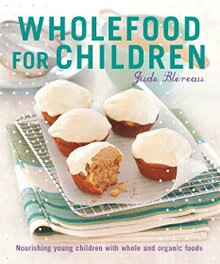
Jude is a huge inspiration to me. Her last book, Wholefood for Children is an absolute winner, and I am constantly recommending it for patients with small children. Chock full of amazing nutritional information for children, it takes you from first foods up to toddlers and beyond with thoughtful, nourishing recipes. There are also plenty of options if you are cooking for kids with allergies and intolerances. Check out Jude's website for more information.
But for now, make yourself a cuppa and settle in to read some insights from an icon in the world of whole foods.

Can you tell us a little bit about your journey to where you are now?
It’s been a long journey. I have a bit of thing with beauty – and how nature /intelligence expresses itself. I think this may be how I’ve translated my Catholic upbringing. Whilst not a catholic, I am deeply spiritual and find life a mystery and awe- inspiring. Thus things that express this beauty drive me. I started in Kindergarten Teaching (hated it), and ended up in Fashion – I was at a major cross roads in my life and went back to fabric and colour (I had always sewed and designed – mostly for my Barbie Dolls) and entered the WA Designers Awards and won. Thus I started my own business which was hugely successful and I loved but it didn’t feed my soul. My upbringing has been heavy coloured from my Mum who was a nurse, cooked delicious food and has a very heightened sense of design and colour. No surprise that all those things influenced me. I had started studying nutrition part time during the later years of Fashion, but I was incredibly disillusioned. I understand this now that I was unhappy with the fractionalized approach to food. At that time I went to the U.S – mid 80’s and came across Anne Marie Colbins book Food and Healing. This book changed my life and course at that minute. THIS was talking the language I was interested in and I came back and got out of fashion, moved to the US so I could learn more – at that time it was Macrobiotics.

Now, I feel I have come a full circle as a grown up adult. I LOVE where I am with my understandings of food. I find my approach to food is now what I would say incredibly wholistic and I see the influences of a life time.


What is your food philosophy?
Our food should be good enough to eat (consider the soil in which it grows, pesticide etc free – this encompasses the concept that our food is only as good as our soil, and pesticides are not body compatible.

That it should be real (if it’s strawberry flavoured, that flavor should come from a strawberry) and body compatible (closer to it’s natural state and prepared appropriately). It should be closer to it’s natural state (as little that is edible is removed and as little that is inedible is added back).

That it should be delicious. It should be in season (it has more nutrient value and deliciousness that way) and we can preserve to capture this seasonality.

That we consider the farmer and community from which it comes – the politics of food so to speak.


I know you need to do a bit of travelling, how do you eat well whilst on the road?
It’s very hard. I primarily try to stay in a place with it’s own kitchen, so I can get some simple foods and make a meal. Or stay with friends. But, there are many times I can get stuck between a rock and a hard place – I try and have a very good breakfast (eggs/vegetables) (which I can make at my place or at a cafĂ©), and then another very good meal  - lunch or dinner. That’s often fish – either out or at ‘my place’. With a salad. So the spare meal (lunch or dinner depending) I might have a sandwich, toasted Panini etc. I can also boil some eggs for emergency fuel. AND I TAKE SPIRULINA WITH ME. Nearly forgot that. I keep a look out for a good restaurant for 1 good main each day – eg fish for either a lunch or dinner.

PRIMARILY I work very hard on prevention:  knowing where I am staying (either with friends or in a place with a kitchen) so I know what is around me.(so for example in Sydney I stay either with Holly Davis, or at a self contained in Rozelle, with a good wholefood store up the road within walking distance).  I cannot get hungry – big disaster. And I pack food for the plane. What I find however is no matter how hard I try, I loose my energy as I am away from home without a good food routine. To be truthful, a lot of what is available (even ‘healthy’) stuff is appalling, all over Australia. I work hard to avoid being thrown upon it’s mercies. All else fails, I’ll go for an egg Panini – hard core protein.


If you wanted to convert someone to eating wholefoods, what would you cook for them / what advice would you give?
A lot would depend on season but basically:

Vegetarian option:
Mexican Beans (Wholefood), with salsa / guac
Stuffed Zucchini
Eggplant parmigiana
Vego lasagna
Pan Glazed Tempeh
Wholegrain and Roast Vegetables/Chickpeas with Morrocan Dressing
Wholegrain with Spanish Capsicum, Chickpea and Fennel
Quinoa and Vegetable Pilaff

Non – Vego:
Roast Chicken, roast and steam vegetables, proper gravy
Hunter Gatherer Lamb Shanks
Beef Brisket
Fish Fingers with proper mayonnaise turned into tartare

I would absolutely, positively serve dessert. Seasonal fruit crumble with cultured cream, or seasonal fruit pie with cultured cream, or just a big fat bowl of soup with a killer dessert – depends on the time of the year. Right now my neighbour has given me limes, so Lime Meringue Tart is on the menu this weekend, with a tray of mangos another option.

Advice I would give is TAKE IT ONE STEP AT A TIME. IT’S A LONG JOURNEY – AT LEAST 2 years, if not 5. Get your head around the basics (my philosophy), and then after you’ve found out where to get things, take one area at a time – perhaps learn to make stock, then perhaps get your head around legumes, learn how to use silverbeet (prolific and cheap) etc, etc.


What foods make you happy?
Oh, man – I love lamb (but I mean hogget or mutton) – roast, bbq, stew etc. I love being met – a proper meal meats my nutritional needs and I work better. I LOVE it when someone else cooks for me. I’m not a big chocolate fan, prefer lime or lemon, adore vanilla. I like wet/ rich food (quite vata in that).


I’ve always thought if I were to cook for you Jude, I would love to cook you my breakfast bread served with buffalo ricotta. If you were to cook for anyone, who would it be and what would you cook?
Yummmmmmmmmm – I plan to hold you to this Meg when I’m there.

I am most often always cooking for someone else – primarily my daughter (she often comes over) or my mum so I take their likes into account. Always a winner is a cannelloni, lasagna. I don’t dare cook soup for them. I might do a meat braise or stew (Cacciatore etc). When I was at Rottnest with extended family just a couple of weeks ago it was Cashew Mango Chicken, and French Beignets (a once a year tradition from our time in New Orleans), which we adore.

But, perhaps dessert is what I cook to take to places – often really a pie. I love pies in all their formats. Right now that would be plum, late season peaches, late season blueberries – a delicious pie with real ice cream.


I am in love with your book ‘Wholefood for Children’. It is a masterpiece and I am constantly referring patients to it. Can you tell us a little about your basic philosophy when it comes to kids nutrition?
Thank you so much. I love the book and think a fair amount of it was channelled!!! I look at it and think ‘ did I write that? ‘ but I’m very proud of that book – I think I was able to frame what my thoughts are a lot better.

Basic Philosophy: We seriously need to remember that children are NOT ADULTS. They come into the world with an undeveloped digestive system. I am shocked at the foods we give that digestive system (child) before it’s ready and then call it an allergy when they have a reaction. We need to give them real foods – young mothers would be wise to take into account that cooking food for their child is profoundly, in every way more nourishing to their child rather than buying. Even though the label says organic, packaged foods are not the same thing – especially in the aspect of life force.  We need to feed children real food and real meals – proper breakfast (not a piece of white toast), proper morning tea/snack (not a gluten free crispbread or cracker) a proper lunch (not another piece of white bread), a proper afternoon tea (not packaged yoghurt) and a proper dinner (not pasta).

Something I come across a lot is children who are fussy eaters - do you have any hot tips?
I am fascinated by the aspect of fussy eating. This did not exist up until about 20 years ago. As a kindergarten teacher, I see a strong link with how people parent. There are some fundamentals of raising children:
  •      They need to feel secure (loved)
  •      They need a routine
  •       Day care is exhausting for many children
  •       After school care is exhausting for many children
  •       Early kindergarten is exhausting for many children
  •       After school activities are exhausting for many      children.
I see a lot of tired children. They need lots of quiet time. Into this we feed children often at times that is not conducive, that is, when they are tired, or with foods that set up poor cascading chemical reactions in the body (white toast for breakfast). Children need smaller meals, more often and a dinner before 4.30/5pm. And I think we feed children the kind of food that children don't like – they just want simple food – without sounding too up myself, I get a lot of feedback that children love and eat the recipes in my book – that food is real, it’s simple and in a format children understand.

Finally – you are the parent. Love them, but give them boundaries, with honour and love.
My version of Jude's Christmas Deer scene: Spelt, Almond and Maple Cookies with Mushroom Meringue
I love how a lot of your recipes don’t require you to get out the mix master, and you can make them simply in a mixing bowl, old school style! It’s such a pleasure to cook this way. What can we expect from your new book on baking coming out this year?
I’m so excited about this book. It’s incredibly in depth. Looking at flours, sweeteners, fats etc and all the components of baking – including instinct and technique. It looks at factors that effect crumb, gluten free and dairy free. It really is a lot about understanding  how, so you can apply that to get the end results that you want and apply that in other recipes you do.

I do use more of the mix master, but many are just a bowl and spoon – yep, I’m not a fussy girl. Simple. Real. Everyday.

I think baking and sweetness in general has got a bad wrap – and I wanted to address that in this book. I think we’ve forgotten what a real cake is, and the smell of real flour, real butter and real sugar (or maple, or honey etc). It saddens me to see the world of wholesomeness and healthy food moving to a more fractionalized approach  - eg raw, paleo etc. In this fractionalized approach, people are demonizing sugar, without asking what makes white sugar bad, and what we replace it with better – thus they use Agave (not mad about it) or Xylitol (shocking) and both, staggeringly refined. I wanted to give people  more wholistic and in depth information so they can make better and more informed decisions. 

So there you have it. Jude writes a great blog, and you can connect with her on facebook too.